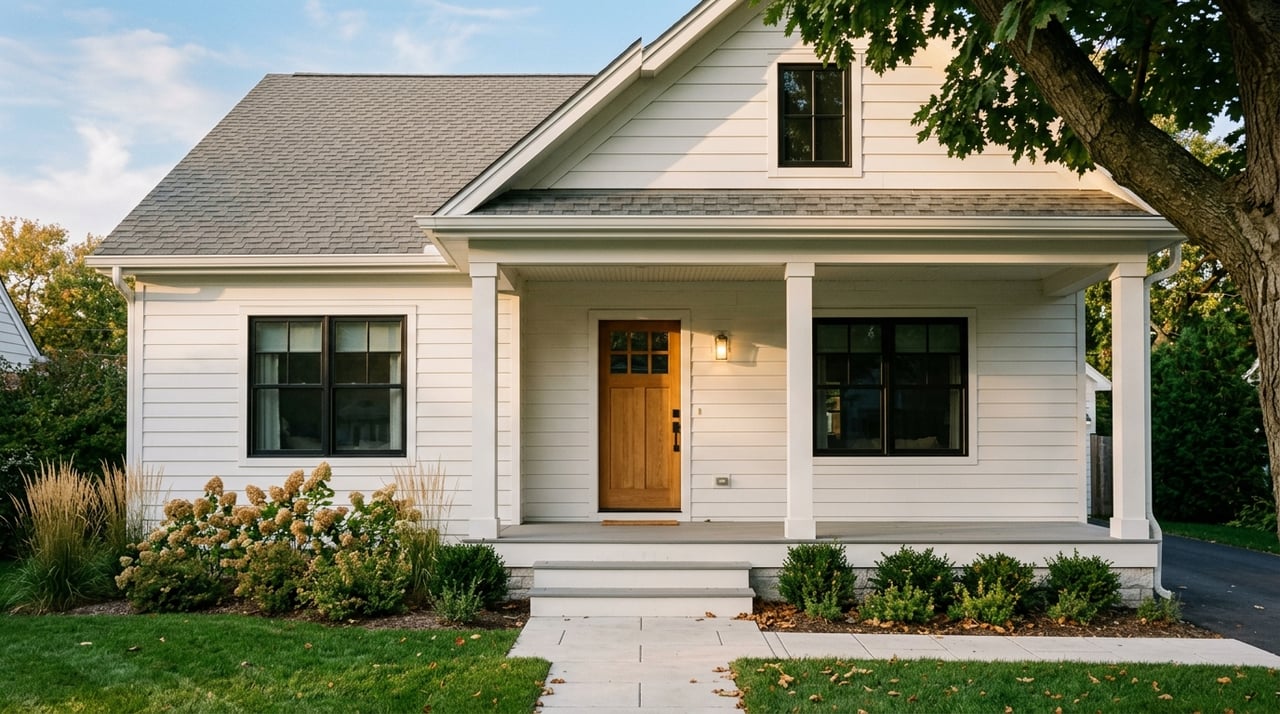
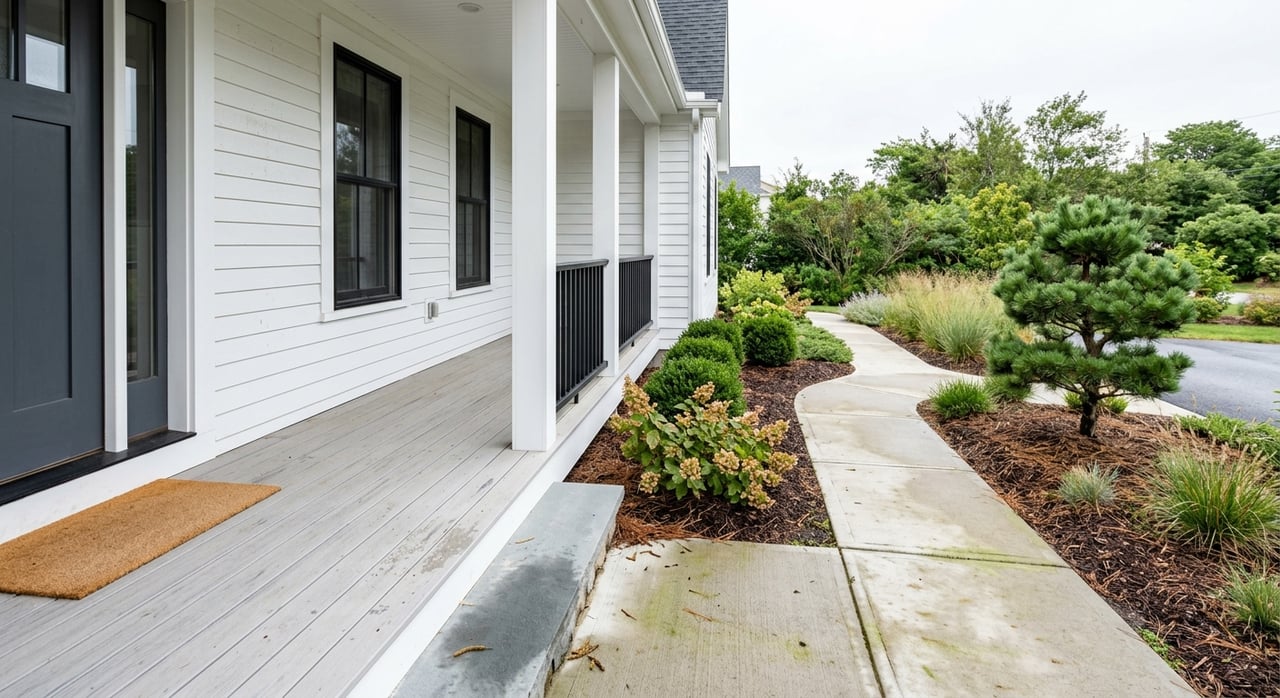
Planning a deck, pool, or addition in Galloway? Before you file a permit, there is one extra layer that can shape your timeline, design, and budget: the New Jersey Pinelands rules. If your property sits in a mapped Pinelands area, the Comprehensive Management Plan can require steps beyond local zoning. This guide explains what that means for you, so you know when to call the township, when to involve the Pinelands Commission, and how to avoid surprise delays. Let’s dive in.
What the Pinelands rules are
The Pinelands National Reserve is managed in New Jersey through the Pinelands Commission and its Comprehensive Management Plan, or CMP. The CMP sets land use standards for mapped areas to protect groundwater, habitats, and community character.
Local permits from Galloway Township still apply. In many cases you must meet both local zoning rules and the CMP. If both sets of rules apply, the stricter standard usually controls. That is why early coordination with both the township and the Commission matters.
Why location on the map matters
Pinelands regulation is tied to maps and designations. The CMP assigns land to management areas such as Regional Growth Areas, Forest Areas, Preservation Areas, Agricultural Areas, and Villages. Each area has different allowed uses, density, and environmental protections.
Two neighboring lots can have very different approvals if they sit in different CMP zones. Regional Growth Areas tend to be more flexible. Forest and Preservation Areas are more protective. Before you design anything, confirm your parcel’s CMP land classification.
Common issues that catch owners off guard
Setbacks, lot coverage, and density
The CMP can limit how much of your lot you can cover with buildings and paving. It can also set setbacks that differ from local zoning. Additions, sheds, driveways, and pools may need redesign to fit both sets of rules.
Vegetation clearing and tree work
Clearing native vegetation can be regulated, especially in Forest or Preservation Areas. Some projects require a notice, a clearing plan, or specific approvals. If you plan yard expansion, a new driveway, or solar ground arrays, confirm clearing limits first.
Stormwater, grading, and impervious area
Protecting groundwater is a core CMP goal. Projects that add roof area or paving may need engineered stormwater measures or low-impact design. Even a large patio or driveway expansion can trigger plan requirements.
Septic systems, wells, and groundwater
Much of the Pinelands relies on private wells and on-site septic. Septic location, replacement, and setbacks must align with health codes and CMP protections. In some areas, septic suitability and density rules can limit new homes or further subdivision.
Wetlands and flood hazard areas
Work near streams, ponds, or wetlands can require additional state-level permits along with CMP compliance. Buffers and no-disturb zones may apply. Plan extra time if your site includes these features.
Historic, archaeological, and special resources
Some sites contain sensitive resources or rare species habitat. Extra surveys or avoidance measures may be required. Early screening helps you understand what applies to your lot.
Local versus Commission review
The CMP separates local-review projects from those that require direct Pinelands Commission review, often tied to whether a project is considered “major development.” Many small projects move forward through Galloway’s normal permitting with CMP compliance documentation, such as a Certificate of Filing. Larger projects or sensitive sites may go to the Commission for review.
The key takeaway is simple: do not assume a routine project is exempt. A larger addition, extensive grading, or a new home can cross CMP triggers and add steps.
Typical Galloway projects and approval paths
Small addition, deck, or shed
- Check your CMP land classification, setbacks, and lot coverage.
- If within local thresholds, apply for township permits and obtain a CMP Certificate of Filing or similar confirmation.
- If the design exceeds limits or involves sensitive clearing, expect Pinelands review.
New single-family home or large addition
- Confirm classification, stormwater needs, and septic suitability.
- These projects have a higher chance of needing Commission review and engineered plans.
- Plan coordination among Galloway Township, the Pinelands Commission, and possibly state environmental agencies.
Tree or vegetation clearing for yard, solar, or landscaping
- Verify clearing rules and whether the clearing is tied to development.
- Modest clearing in more flexible zones may proceed with minimal steps, but larger or development-related clearing often needs CMP approval or a management plan.
- Screen for habitat, wetlands, and forest-stand concerns early.
Replacing or relocating a septic system
- Confirm setbacks to wells and wetlands and the suitability of soils.
- Apply through the local health department and confirm with the Pinelands Commission if CMP review is needed, especially if the work increases disturbance or lot coverage.
- Expect inspections and documentation.
Subdivision or lot-line change
- Review CMP density rules, minimum lot sizes, and permitted uses per your zone.
- Environmental constraints may limit lot yield or require conservation areas.
- Anticipate both planning board review and Pinelands review for most subdivisions.
Pool, patios, or added impervious surfaces
- Check lot coverage limits, stormwater requirements, and clearing rules.
- Pools and large hardscape can require mitigation or engineered drainage.
- Obtain local permits plus CMP compliance confirmation.
The process and timeline
Your first steps
- Confirm CMP land classification for your parcel.
- Request a pre-application check with Galloway planning or zoning staff and, if needed, the Pinelands Commission.
- Ask what documentation is required to verify CMP compliance for your specific project.
What to prepare
- A current boundary survey and site plan that show existing features, wells, septic, wetlands, and proposed work.
- Stormwater and grading designs when you add roof area or paving.
- Septic design or soil evaluations if a new or replacement system is part of the work.
Review and approvals
- Smaller projects often move through township permits with a CMP Certificate of Filing to confirm compliance.
- Larger or sensitive projects can go to the Commission for direct review.
- Some projects also need state-level permits for wetlands, flood hazard, or septic.
Timing to expect
- Simple projects that only need township permits and a CMP certificate can wrap up in weeks to a few months.
- Commission review, engineered plans, or state environmental permits can extend timelines by several months or more.
- Seasonal limits, like wet seasons or nesting windows, can affect when clearing or near-water work can start.
Why compliance matters
- Starting without the right approvals can lead to stop-work orders, fines, required restoration, or delays in getting a certificate of occupancy.
- Getting it right up front protects your budget and schedule and helps you avoid remediation.
Who to call for help
The right team can save you time and prevent rework. For projects beyond basic repairs, consider:
- Licensed land surveyor to confirm property lines and topography.
- Professional engineer for site grading and stormwater design.
- Environmental consultant to flag CMP constraints, wetlands, and clearing rules.
- Soil evaluator or septic designer for on-site systems.
- Architect or builder with Pinelands experience.
- Land-use attorney for complex approvals, variances, or subdivisions.
- Planner or expeditor familiar with Pinelands procedures.
A quick checklist before you build or list
- Confirm your Pinelands land classification.
- Set a pre-application call with Galloway planning or zoning and, if needed, the Pinelands Commission.
- Order a current survey and a basic site plan with known environmental features.
- Ask whether your project meets any CMP triggers for Commission review.
- Map out required approvals: local building permits, CMP certificate or permit, and any state permits.
- Add time and consultant fees to your budget so you can plan around review cycles.
Buying or selling in a Pinelands area
If you are buying, build in time for due diligence. Confirm the CMP classification, check for wetlands, and ask about prior permits for additions, decks, or clearing. Knowing the likely path for your planned projects helps you decide on timing and price.
If you are selling, gather documents that show compliance for past work and clarify what is possible on the lot. Buyers appreciate clear guidance on additions, pools, or garages. Good preparation reduces surprises during inspections and keeps your contract on track.
The Scott Reighard Team helps you frame these issues early so you can price confidently, position your listing, and plan your next steps without guesswork.
Your next step
Every property is different, and Pinelands rules are site specific. If you are planning a project or preparing to buy or sell in Galloway, start with a quick consultation so you know exactly which rules apply and how to navigate them. The Scott Reighard Team can coordinate the right local pros, align your plan with township and Commission requirements, and keep your timeline realistic. Get your free home valuation and a plan to move forward with confidence.
FAQs
What is the Pinelands Comprehensive Management Plan?
- It is the rulebook the Pinelands Commission uses to guide land use, environmental protections, and development standards within mapped Pinelands areas in New Jersey.
Do all Galloway properties fall under Pinelands rules?
- No. Many do, but coverage depends on whether your parcel lies within a CMP-mapped area and what designation applies to it.
What is a Pinelands Certificate of Filing?
- It is documentation that confirms a project complies with the CMP and is often required before Galloway issues local permits for eligible projects.
Do I need approval to remove trees on my lot?
- Possibly. Clearing rules vary by CMP zone and whether the clearing is tied to development; some situations need notice, a management plan, or explicit approval.
How long do Pinelands-related approvals take?
- Simple projects can move in weeks to a few months, while Commission review or added state permits can add several months or more, especially if seasonal limits apply.
What if I started work without Pinelands approvals?
- You risk stop-work orders, fines, and required restoration; contact the township and the Pinelands Commission immediately to resolve compliance.
Can I replace a failing septic without Pinelands review?
- You will need local health approvals, and some replacements also require CMP review if they increase disturbance or change lot coverage; confirm before starting.