Staging a Home in Northfield NJ for a Stronger Sale
May 21, 2026
May 21, 2026
If you are getting ready to sell in Northfield, it is easy to wonder where to spend money and where to stop. In a market where pricing and presentation can make a real difference, the right pre-listing plan can help your home stand out without turning into a full renovation project. This guide walks you through the smart updates, staging priorities, and permit considerations that can help you prepare with confidence. Let’s dive in.
Northfield’s market looks active, but it is not moving at the same speed for every home. Public market data from spring 2026 showed home values and sale prices holding up, but days on market varied by source, with reports ranging from about 35 days to 81 days.
That gap tells you something important. Buyers are looking, but homes still need the right price and a polished presentation to attract strong interest. If your home feels dated, cluttered, or overpriced for its condition, it may sit longer than you expect.
If you are 6 to 12 months away from listing, the best strategy is usually not a major remodel. The strongest evidence points toward visible, lower-disruption improvements that help buyers notice care, cleanliness, and move-in readiness.
According to the 2025 Remodeling Impact Report from NAR, the projects agents most often recommend before selling are painting the entire home, painting one room, and new roofing. The same report also noted increased demand over the last two years for kitchen upgrades, bathroom renovations, and full interior painting.
That does not mean you should automatically replace everything. It means you should start with the updates buyers see first and the issues that could raise questions during showings.
Before you think about style, handle anything that looks broken, worn, or neglected. Small defects can make buyers assume there are larger hidden problems.
Your first round of prep should usually include:
These items may not feel exciting, but they help your home show as well-maintained.
Fresh paint remains one of the most practical updates before listing. It is relatively low-disruption, it photographs well, and it helps rooms feel cleaner and brighter.
If your walls are heavily personalized, scuffed, or dated in color, repainting can be one of the simplest ways to improve buyer perception. Even painting one problem room can make a noticeable difference.
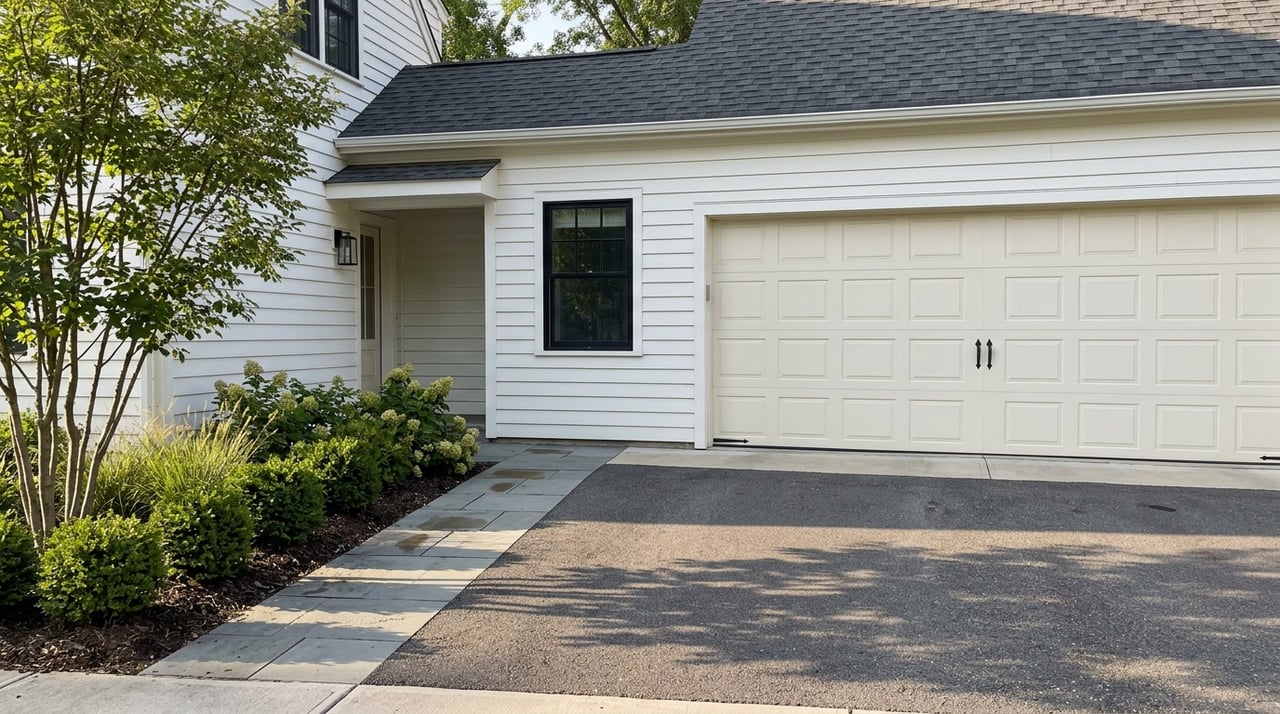
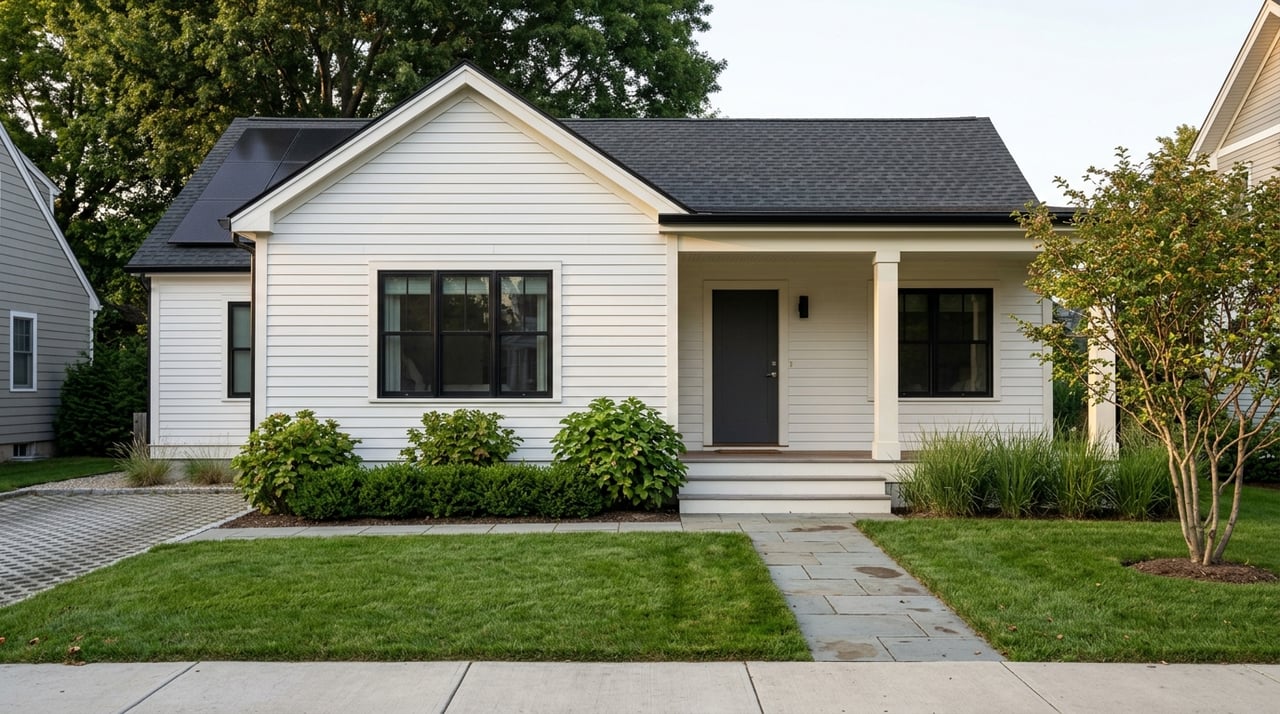
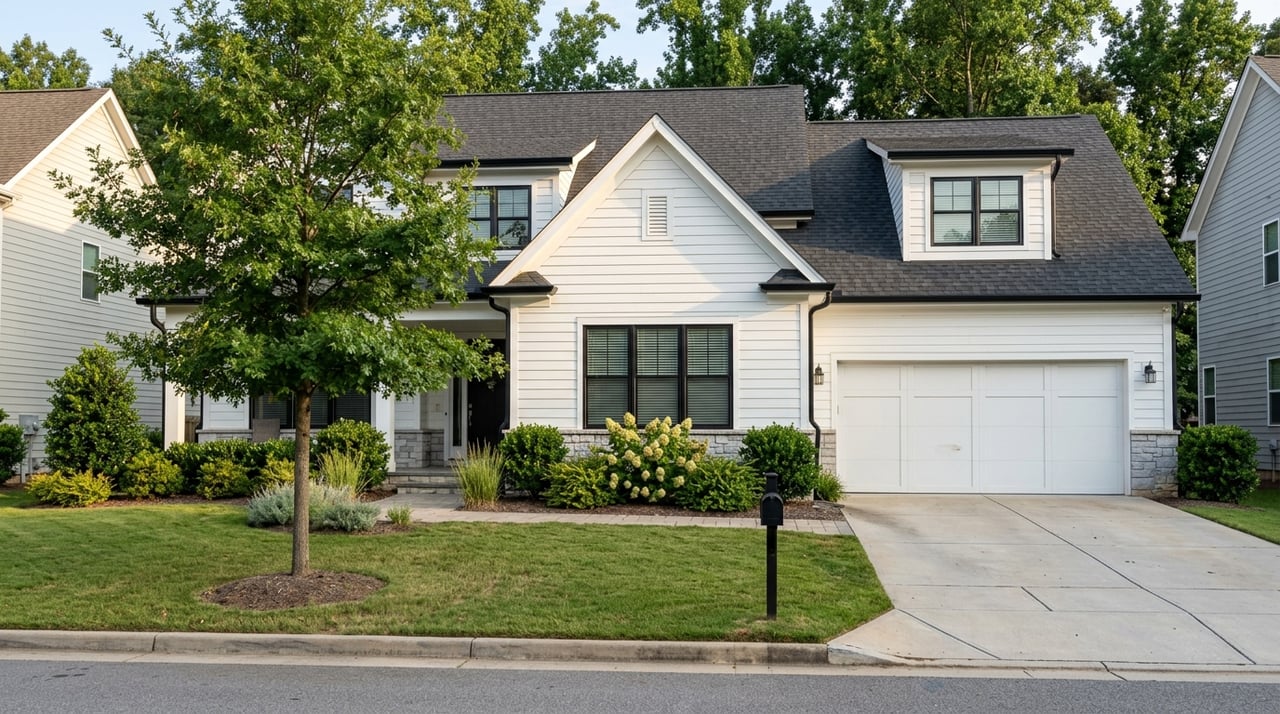
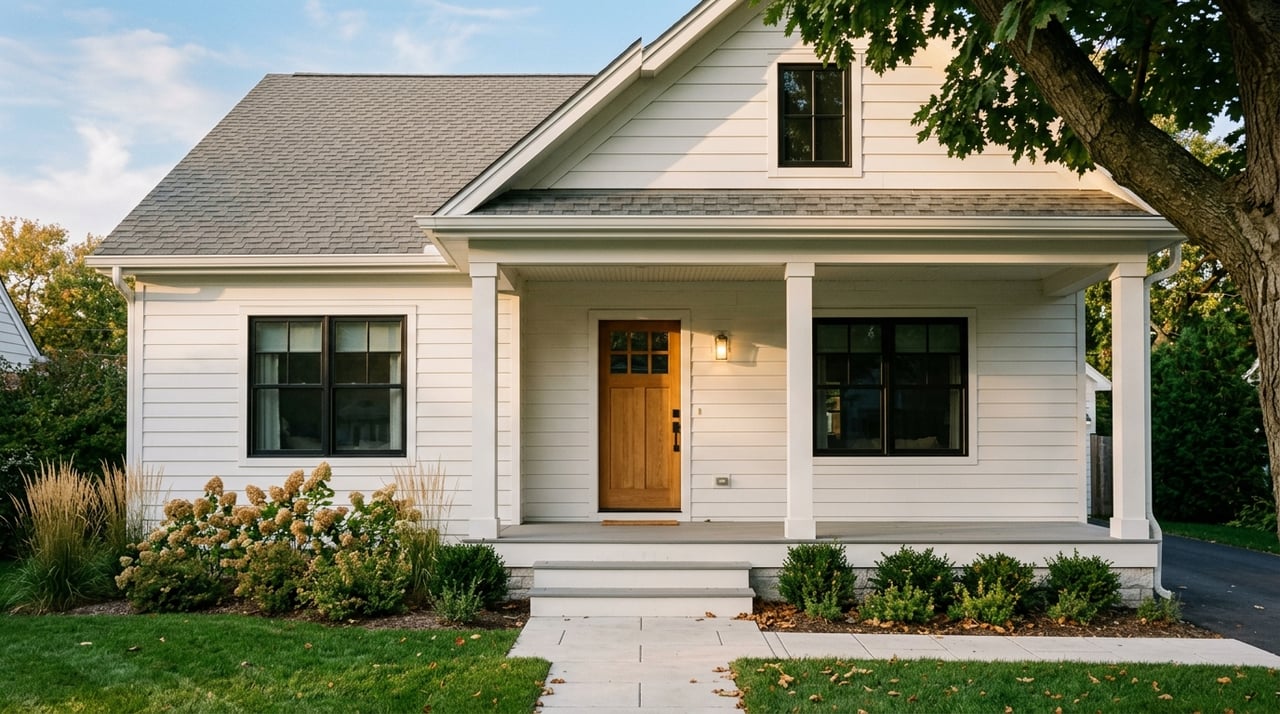
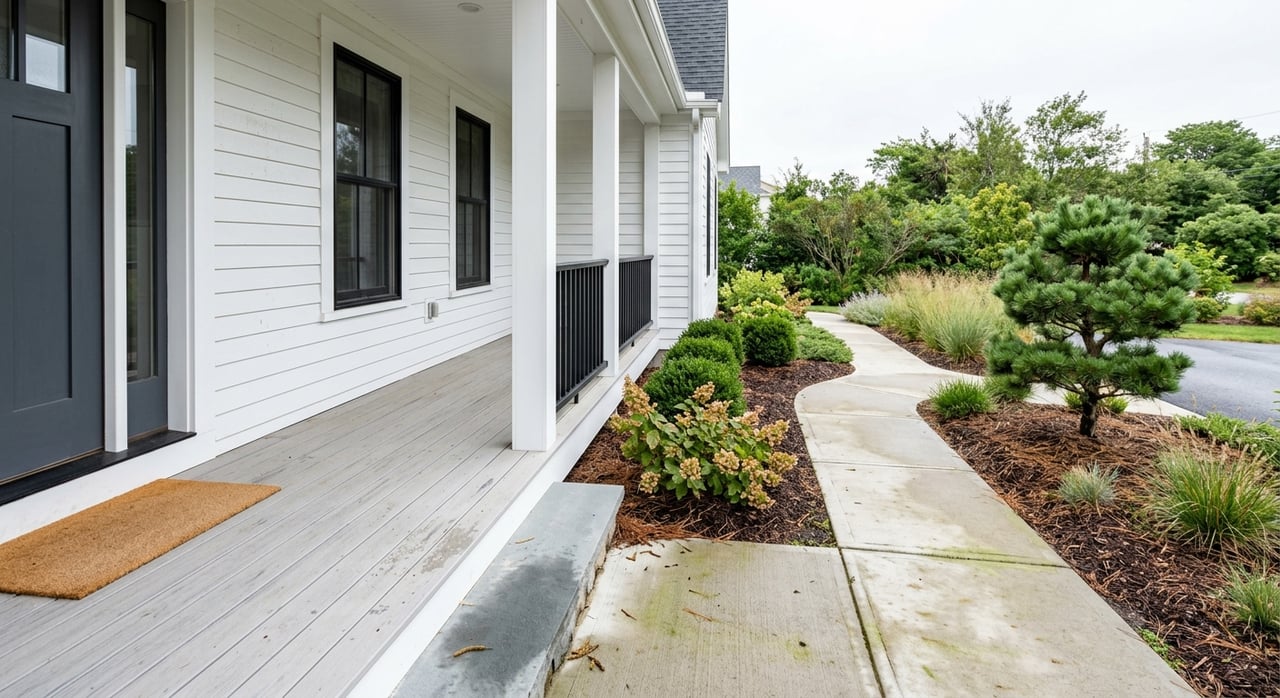
Exterior improvements often carry strong resale logic. Cost vs. value data summarized by NARI showed especially strong returns for garage door replacement, steel entry door replacement, and manufactured stone veneer, with siding and minor kitchen remodels also performing well.
For many Northfield sellers, that supports a simple conclusion: start with the front of the house. If your entry looks clean, current, and cared for, buyers often walk in with a better first impression.
Smart curb appeal projects may include:
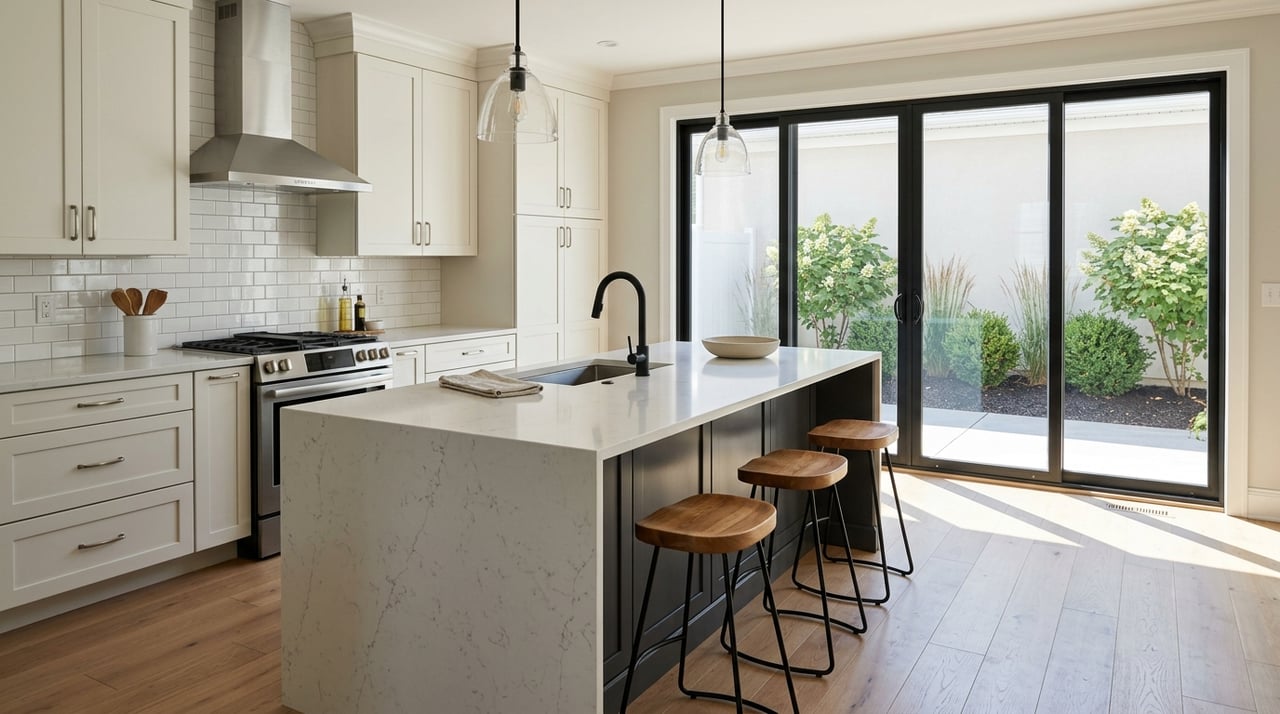
A full kitchen or bath remodel is not always the best move right before selling. Smaller refreshes often make more sense than tearing everything out.
Instead of a full overhaul, consider practical updates like painted walls, repaired cabinetry, updated hardware, improved lighting, or replacing a dated mirror or fixture. These changes can improve the look of the space without the time, cost, and permit questions that bigger jobs can bring.
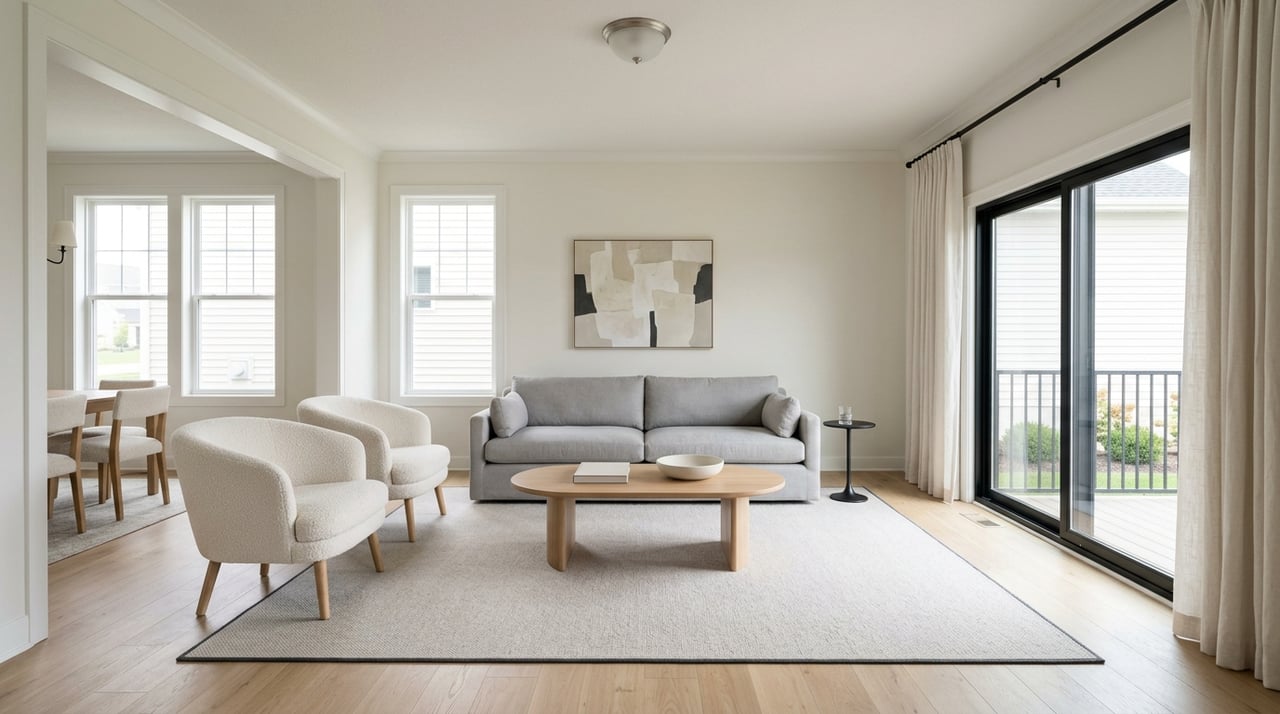
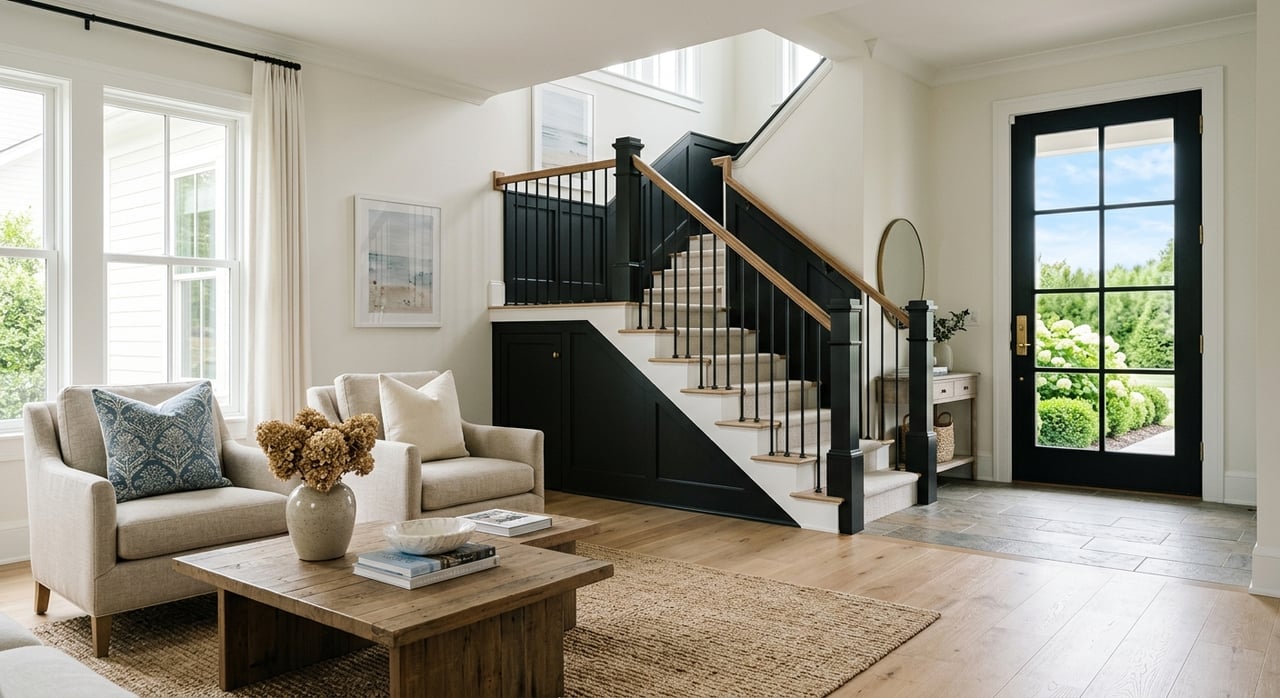
Staging is not about making your home look fancy. It is about helping buyers understand the space quickly and picture how each room functions.
That matters because NAR’s 2025 staging survey found that 83% of buyers’ agents said staging made it easier for buyers to visualize a home as their future residence. The same survey found that 49% of sellers’ agents said staging reduced time on market.
The most commonly staged rooms are the living room, primary bedroom, dining room, and kitchen. If you are deciding where to spend time and energy, start there.
Ask yourself whether each of those spaces feels open, clean, and purposeful. If a room is overcrowded or serving too many functions at once, buyers may have trouble understanding its value.
You do not need elaborate furniture packages to make a strong impression. In many cases, basic staging steps do the heavy lifting.
Start with these essentials:
These changes help your home feel more spacious and photograph better.
Listing media matters. NAR’s 2025 survey found that 73% of buyers’ agents rated photos as highly important, ahead of traditional physical staging, video, and virtual tours.
That means your home should be prepared for the camera before it ever hits the market. A room that feels acceptable in person can still look cramped or dark in listing photos.
As you stage, think about what the camera will see:
If a room will be photographed, it should look intentional.
If you are planning updates before selling in Northfield, do not assume every project is permit-free. Northfield’s Construction Office says a permit is required when a homeowner constructs, enlarges, alters, repairs, moves, demolishes, or changes occupancy of a structure, and the city lists many common projects as examples.
Those examples include additions or remodels, garages or sheds, decks, fences, pools, roofed structures, patio covers, and retaining walls over 4 feet. The city also notes that replacement windows and doors can be exempt only when the opening width and header do not change.
New Jersey’s Department of Community Affairs also states that construction covered by the Uniform Construction Code requires a construction permit and inspections, while ordinary maintenance is exempt. For a seller, that means even smaller projects may affect your timeline if approvals or inspections are involved.
If you hire help, contractor vetting matters. New Jersey’s quick-start guidance says home improvement contractors must register with the Division of Consumer Affairs and display an NJHIC number.
The state also advises homeowners to verify a contractor’s registration and check for consumer complaints before hiring. This is especially important when your listing timeline depends on the work being completed correctly and on schedule.
Permits can affect timing more than sellers expect. Northfield notes that permits expire one year after issue, or six months after issue if work is suspended or abandoned.
That is one more reason to avoid rushing into major pre-sale projects. If work drags on, your listing plan can get delayed, and the return may not justify the disruption.
If you want a simple framework, use this order of operations before listing your Northfield home.
Walk through your home as if you were seeing it for the first time. Look for anything that feels worn, crowded, dated, or unfinished.
Pay special attention to the entry, main living spaces, kitchen, primary bedroom, and bathrooms. These are often the areas buyers notice first.
Handle basic repairs before making cosmetic choices. Buyers tend to notice deferred maintenance quickly, and it can shape how they view the rest of the home.
Repaint worn spaces, clean up the exterior, and improve the front entry if needed. These are often the highest-impact updates for the least disruption.
Remove extra belongings, define each space, and make the home photo-ready. Focus most of your effort on the rooms that buyers are most likely to remember.
Before replacing windows, changing doors, or starting larger exterior or structural work, confirm whether permits or inspections may apply in Northfield.
An early pricing and prep conversation can help you avoid putting money into projects that may not improve buyer perception enough to matter. It can also help you decide whether a permit-heavy project is worth doing at all.
When sellers wait too long to ask for advice, they sometimes spend heavily in the wrong places. In a market like Northfield, where condition and presentation can influence how quickly a home sells, a focused plan usually works better than a long list of expensive upgrades.
The goal is not to create a brand-new house. The goal is to present a clean, well-cared-for home that feels easy for buyers to say yes to.
If you are thinking about selling in Northfield, the smartest first step is often a strategy conversation before contractors are scheduled and money is committed. For local guidance on pricing, prep, and marketing, connect with The Scott Reighard Team.
Stay up to date on the latest real estate trends.
We specialize in bringing you the best homes for sale and real estate listings in the area. Whether you are buying a home, selling a home or need help securing a Home Mortgage, I've got you covered. Contact Us today!