Little Egg Harbor Waterfront Living: What to Know
May 7, 2026
May 7, 2026
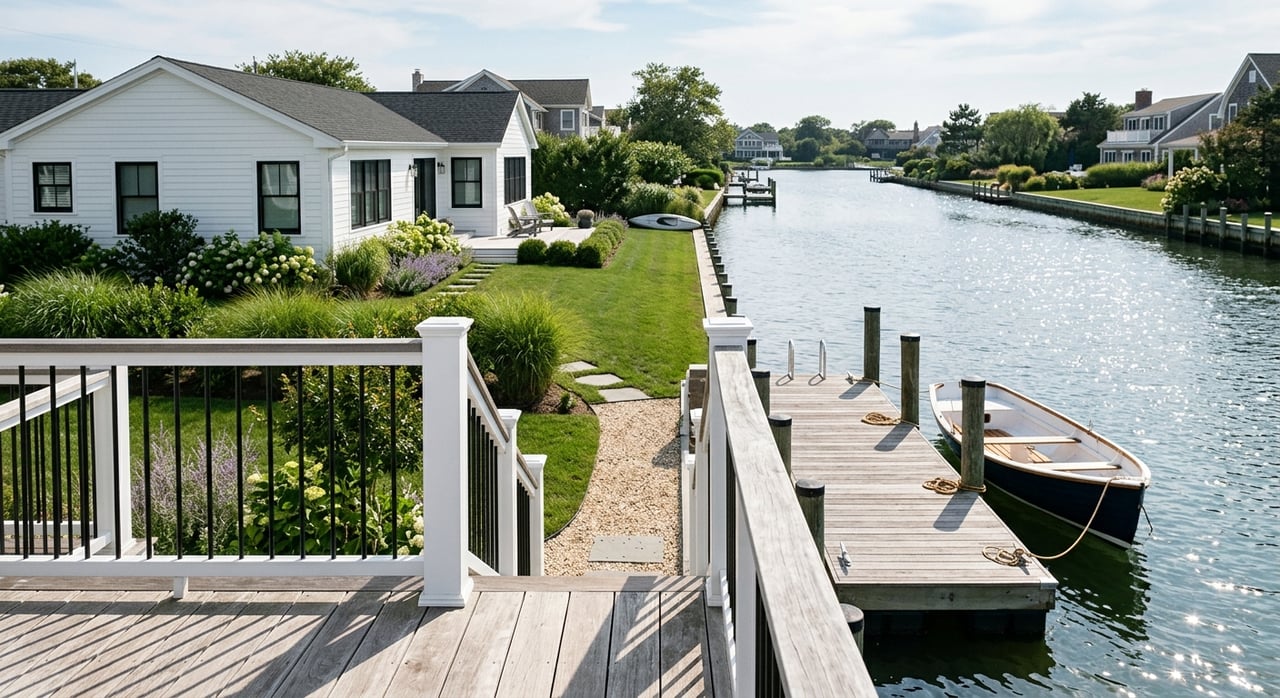
Dreaming about keeping the water close without taking on full oceanfront costs? Little Egg Harbor gives you a different kind of coastal lifestyle, one shaped by lagoons, bays, marsh views, boat ramps, and everyday access to tidal waterways. If you are thinking about buying here, it helps to understand not just the appeal, but also the practical details that come with waterfront or water-oriented ownership. Let’s dive in.
Little Egg Harbor stands out because water is part of daily life in a big way. According to the township’s municipal public access plan, about 37% of the township is made up of water bodies and another 24% is wetlands.
That setting creates a broader lifestyle than many buyers expect. You are not just looking at classic waterfront homes. You may also find properties near lagoons, bay edges, marsh vistas, or public launch points that support boating, fishing, crabbing, kayaking, and nature-focused recreation.
The township’s public access plan notes that Little Egg Harbor has more than 50 locations that provide access to tidal waterways. Those access points include marinas, boat ramps, beaches, kayak launches, trails, and fishing and crabbing areas. For many buyers, that means you can enjoy a coastal routine without needing true oceanfront property.
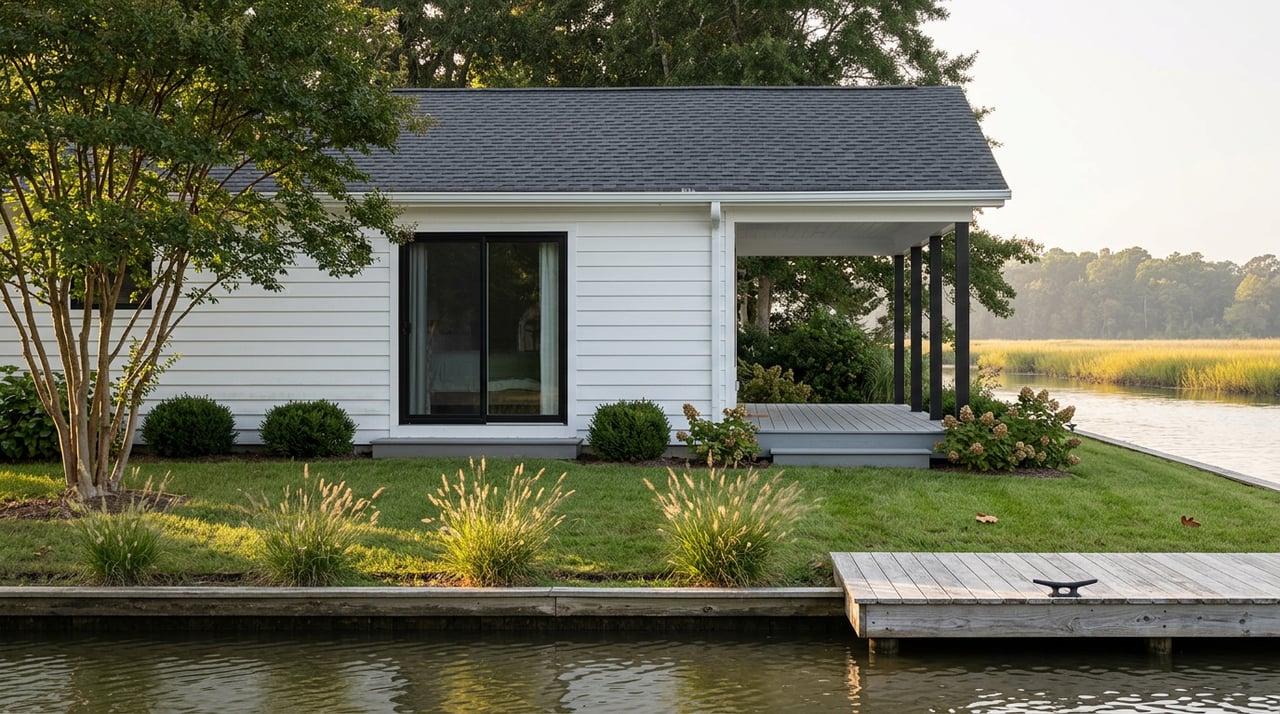
Water-oriented living in Little Egg Harbor is often more practical than flashy. Many buyers are drawn to homes where they can launch a kayak nearby, keep a boat close to home, or enjoy marsh and bay views as part of everyday life.
This is one reason the market appeals to a wide range of buyers. Some want direct lagoon frontage, while others prefer being near public access and keeping a little more separation from the water itself. Both approaches can support the same lifestyle, but with different upkeep and property considerations.
Mystic Island is the township’s main high-density waterfront area, according to the current draft master plan reexamination report. The report says this area was developed around existing 5,000-square-foot lots, with growth focused where roads and utilities were already in place.
That development pattern creates a very specific feel. You will often see detached single-family homes on smaller coastal lots rather than large suburban parcels. Township planning documents also repeatedly point to local issues such as lagoon dredging, street flooding, and elevation, so buyers should expect these topics to come up during the home search.
The township’s public access plan also connects Mystic Island to the area’s summer-home history after the Garden State Parkway opened access in the 1950s. Over time, Little Egg Harbor evolved into a year-round community, but that coastal layout still shapes what buyers see today.
If you want a setting tied closely to public access, Parkertown and the Great Bay Boulevard area may catch your attention. The township says Parkertown Docks offers a concrete ramp, docking, and access to Little Egg Harbor Bay.
Graveling Point Beach adds another layer of appeal with fishing, bird-watching, and a kayak launch. The public access plan also describes a dirt ramp on Great Bay Boulevard with low-tide access, which is a useful reminder that not every launch point works the same way in all conditions.
The Great Bay Boulevard Wildlife Management Area is described as a 4-mile peninsula separating Great Bay and Little Egg Harbor, with broad salt-marsh views and notable birding habitat. For buyers who want strong access to open-space scenery and water recreation, this part of town can feel very different from the tighter lagoon streets.
Not every buyer in Little Egg Harbor wants to live right on the water’s edge. Away from the lagoons and bayfront, the township’s land-use pattern shifts toward preservation and lower-density areas.
The draft reexamination report describes preservation areas with 5-acre minimums and low-density areas with 2-to-5-acre minimums. These settings generally offer more space, fewer marine features, and a more wooded or semi-rural feel than the waterfront sections.
The same report points to Route 9 and Mathistown Road as key commercial corridors. For some buyers, these more inland areas offer a practical balance between everyday convenience and access to the township’s larger coastal environment.
In water-oriented parts of Little Egg Harbor, property characteristics may look different from a typical inland neighborhood. In Mystic Island especially, township planning documents show that many homes sit on smaller lots, often around the 5,000-square-foot pattern that shaped the area’s original development.
You should also expect to see elevated homes, shoreline improvements, or signs of past flood-related upgrades. The township’s flood-protection page links guidance for homes on pilings, and township zoning information includes separate forms for bulkhead permits and flood-plain permits.
That matters because features like bulkheads, docks, and elevation work are part of normal ownership in many waterfront sections. They are not unusual one-off items. When you tour listings, it helps to view these features as part of the property’s overall condition, maintenance needs, and long-term usability.
A water-oriented home search is also an infrastructure search. The township master plan says most homes and businesses in developed areas such as Mystic Island, West Tuckerton, and Parkertown are connected to sewer service, but buyers should still confirm utility status on a parcel-by-parcel basis.
That kind of verification is worth doing early. Even within the same town, infrastructure can vary by location, development pattern, and lot history. A property’s water access may get most of the attention, but practical details often shape your ownership experience just as much.
If you are buying in Little Egg Harbor, flood-zone due diligence is not optional. The township’s public access plan states that many streets flood during full moons, new moons, and significant rain events, and it also notes that lagoon communities dealt with heavy debris and silt after Superstorm Sandy.
The draft reexamination report reinforces that these are continuing issues, not isolated events. It says the township remains vulnerable because of its extensive waterfront and points to ongoing work involving bulkhead repair, dredging of silted inlets and lagoons, and shoreline projects in places like Mystic Island, Parkertown Dock Recreation Facility, Graveling Point Beach, and Parkertown Beach.
The township’s flood-protection guidance explains that an A zone is an area with possible wave action under 3 feet, where the lowest floor must be at or above the base flood elevation. A V zone has wave action of 3 feet or more and requires the bottom of the lowest horizontal member to be at or above base flood elevation.
Those details may sound technical, but they directly affect how a home is built, improved, insured, and maintained. They also shape how you compare one waterfront listing to another.
A beautiful water view should never stop your due diligence. In Little Egg Harbor, smart buyers ask detailed questions so they understand not just the lifestyle, but the property’s real operating conditions.
Here are some practical questions to raise during your search:
These questions follow directly from township guidance, permit processes, and public planning documents. They can also help you compare two homes that may look similar online but function very differently in real life.
In many inland neighborhoods, buyers focus mostly on roof age, HVAC systems, and general cosmetic updates. In Little Egg Harbor’s water-oriented areas, you may need to think more like a coastal homeowner.
That means paying attention to shoreline conditions, dredging-sensitive waterways, road flooding patterns, and the ongoing status of bulkheads or docks. The township’s planning documents make clear that these are recurring local issues, especially in flood-prone waterfront sections.
None of that means you should avoid water-oriented living here. It simply means the best purchase decisions come from understanding the tradeoff: easier access to boating, fishing, and marsh-and-bay scenery in exchange for more careful review of elevation, drainage, permits, and maintenance history.
For many buyers, Little Egg Harbor hits a sweet spot. The township offers a marsh-and-bay lifestyle that can feel connected to the coast without requiring the price point or exposure of full oceanfront ownership.
You may be able to enjoy public boat access, fishing spots, kayak launches, wildlife views, and lagoon living while choosing a home that fits your comfort level for upkeep and risk. The key is matching the property to the way you actually want to live.
If you are exploring waterfront, lagoon, or bay-adjacent homes in Ocean County, experienced local guidance can make a big difference. The right team can help you look past the photos, ask better questions, and understand how a listing fits your goals. Connect with The Scott Reighard Team for practical, full-service guidance as you navigate Little Egg Harbor’s water-oriented market.
Stay up to date on the latest real estate trends.


We specialize in bringing you the best homes for sale and real estate listings in the area. Whether you are buying a home, selling a home or need help securing a Home Mortgage, I've got you covered. Contact Us today!