Upsizing Or Downsizing In Linwood: How To Choose Your Next Move
March 24, 2026
March 24, 2026
Are you craving more space or itching to simplify your life? If you live in Linwood, you have unique factors to weigh before you upsize or downsize. From property taxes and flood zones to housing stock and lifestyle perks, small details can have a big impact. In this guide, you’ll learn what matters most in Linwood and how to build a clear plan that fits your next chapter. Let’s dive in.
Linwood is a small, shore‑adjacent city of about 7,000 residents with a high share of owner‑occupied homes and stable neighborhood feel. According to the latest U.S. Census QuickFacts, the city’s homeownership rate is roughly 93.9%, and median household income trends in the $150,000 range. The Census also estimates a median value for owner‑occupied homes in the high $300,000s. You can explore local demographics and housing stats in the Census QuickFacts for Linwood.
Most local properties are single‑family detached homes, which shapes your choices if you want a larger house or a lower‑maintenance option. Approximately 85.6% of units are single‑family detached, according to statewide municipal data compiled by New Jersey Future. That means condos and townhomes exist but are a smaller slice of the market inside city limits.
Start with your “why.” If you need more bedrooms, a home office, or a bigger yard, upsizing may boost daily comfort and functionality. If maintenance, stairs, or carrying costs are wearing on you, downsizing can free time and money while keeping you close to the shore.
Be honest about tradeoffs. Upsizing can raise monthly costs and upkeep, while downsizing can add HOA dues or reduce storage and guest space. In Linwood, the right answer usually comes from comparing total monthly cost, maintenance load, lifestyle fit, and the availability of your target home type.
New Jersey’s property taxes are a major line item. Town‑by‑town figures show Linwood’s general or effective tax rate around the mid‑3% range, and secondary sources estimate many homeowners pay median annual tax bills in the $9,000 to $11,000 range, depending on valuation. For a quick statewide context and local comparisons, see this summary of New Jersey property tax rates. For an exact estimate on your address, confirm with the Linwood Tax Office or your lender.
Build an apples‑to‑apples comparison before you decide. Include mortgage payment, property tax, homeowner’s insurance, flood insurance if required, utilities, and a maintenance allowance. This helps you see whether a larger home or a smaller one aligns with your cash flow and comfort level.
If you are considering a condo or townhome, budget for HOA dues. Nationally, typical dues can range from the low $100s to $300–$400 per month depending on amenities and building type. Review what the fee covers and ask for the last three years of budgets, reserve studies, and any special assessments. For a helpful overview, read this guide on what HOA fees cover and typical ranges.
Portal snapshots for Linwood can vary because the market is small and month‑to‑month samples change. For example, one portal reported a median sale price around $597,500 in February 2026, while others show estimates closer to the mid‑$400,000s at different times. Treat portal data as directional, then ask for an MLS‑backed comparative market analysis to set realistic sale proceeds and purchase budgets.
Linwood sits inland from the barrier islands, yet parts of the city are in FEMA Special Flood Hazard Areas. Flood zoning affects mortgage requirements, insurance premiums, and resale positioning. The city participates in the NFIP Community Rating System, and local permitting uses updated mapping.
Start with the city’s resource page for context and procedures at the Linwood municipal flood and CRS page.
If a federally backed loan is involved and the property is in a Special Flood Hazard Area, flood insurance is typically required. Premiums vary by elevation, construction type, and rating method, so a property‑specific quote is essential.
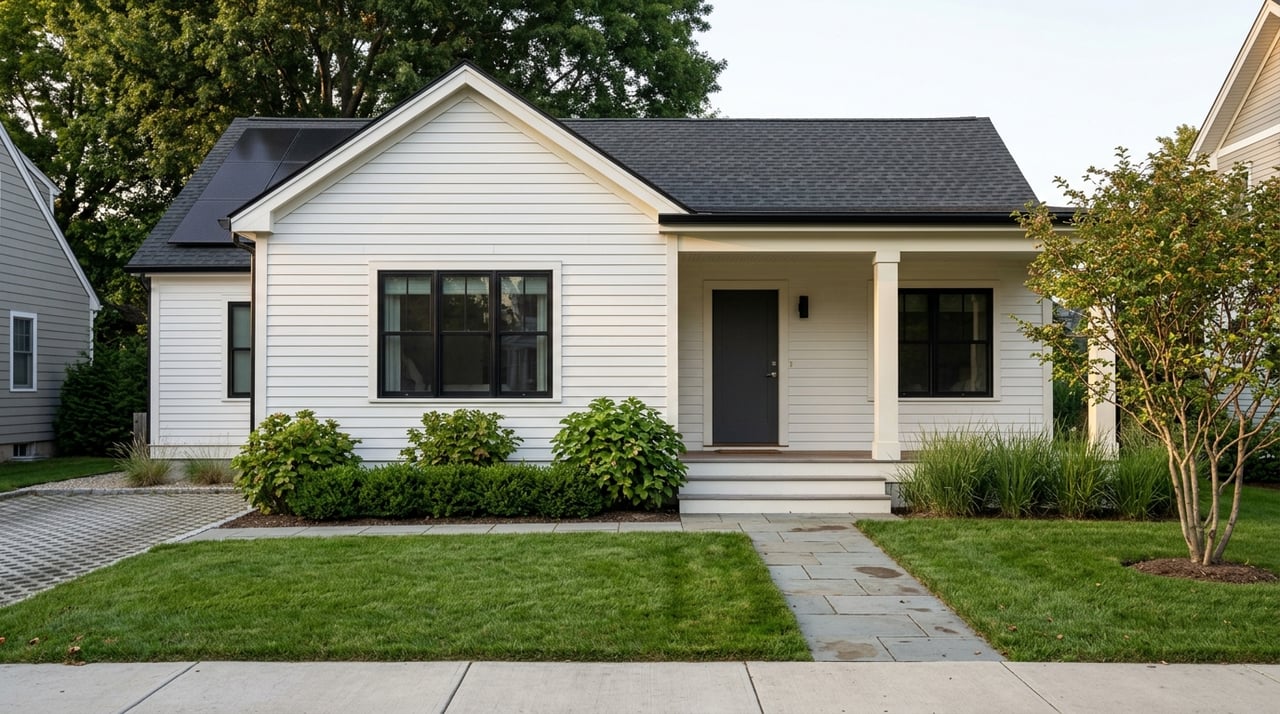
Linwood’s housing stock favors single‑family detached homes on traditional lots, which suits buyers who want more bedrooms, a home office, play space, or a bigger yard. Look closely at storage, potential flex rooms, and parking, especially if you host often or work from home.
Because condos and townhomes are a smaller share inside Linwood, expect a tighter selection and possible competition for one‑level or elevator‑served units. Some buyers expand their search to nearby towns such as Somers Point or Northfield for additional options, then weigh tradeoffs like HOA dues, drive times, and flood zones.
You are minutes from barrier‑island beaches, dining in Atlantic City, and regional services. Linwood also connects to the Pleasantville–Somers Point rail‑trail, a popular perk for everyday biking and walks. Learn more about the Pleasantville–Somers Point bike path.
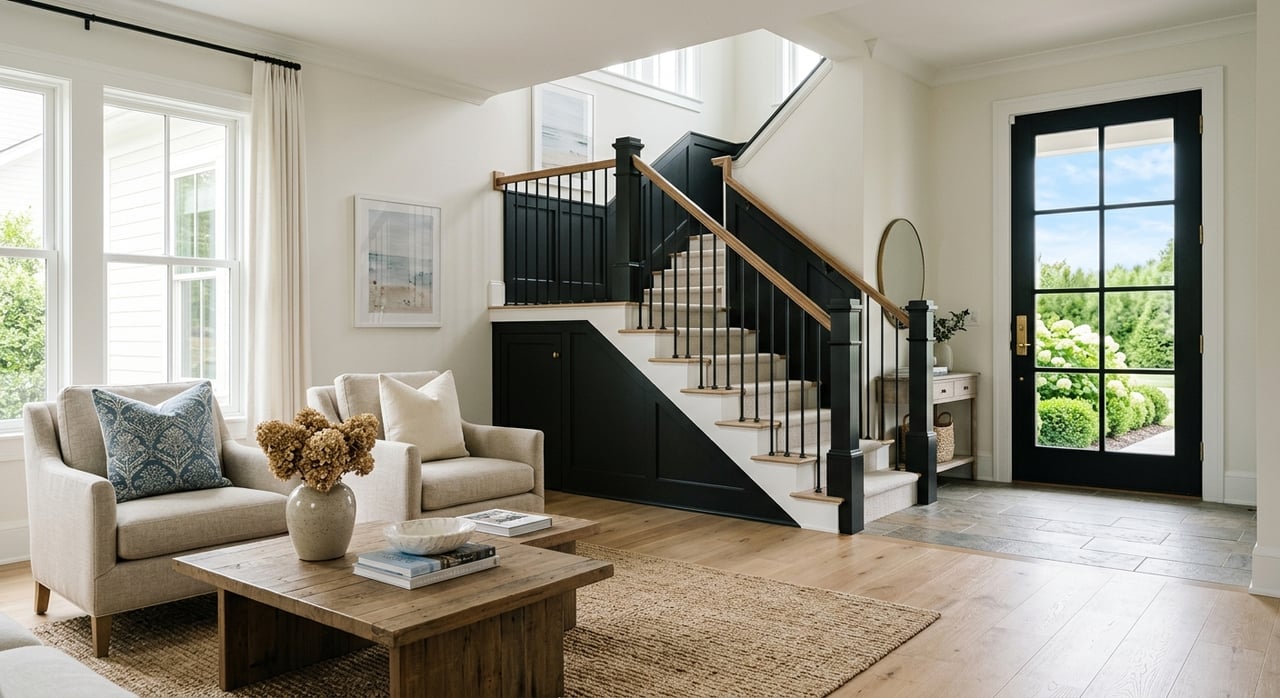
With many two‑story homes in town, one‑floor living can be limited and sometimes pricier. If you love your location but want to avoid stairs, you may retrofit instead of moving. Typical stairlift installations can run in the low thousands, with curved or custom tracks often reaching $8,000 to $10,000. Platform lifts and residential elevators cost more. For a sense of ranges and install considerations, review a contractor directory like Angi’s stair companies overview, then get local quotes.
Before you list or buy, audit the big systems that affect value and comfort:
Downsizers often trade variable exterior costs for predictable HOA dues, while upsizers should budget for larger roofs, landscaping, and more systems to maintain.
Linwood offers convenient access to employers and recreation. Atlantic City is roughly 12 miles, about a 20‑minute drive depending on route and traffic. Philadelphia is about 59 miles, often a 1 to 1.5 hour drive. If commute timing matters, test it during your typical hours and check bridge routes.
School assignments also shape many purchase decisions. Linwood students attend Mainland Regional High School through a regional district. You can learn about the school’s structure and history on the Mainland Regional High School page. Always verify current assignments with the district.
In a city of roughly 7,000 people that is mostly owner‑occupied, month‑to‑month pricing can shift with a handful of sales. Portal estimates often differ from each other because of timing and small sample sizes. In some recent snapshots, median sale prices ranged from the mid‑$400,000s to the high‑$500,000s, which is another reason to work from fresh MLS data when you set list price or offer.
Homes near tidal corridors or in Special Flood Hazard Areas may have different insurance requirements and resale dynamics than similar homes on higher ground. That does not mean you should avoid them, it means you should verify mapping, elevation, and insurance early so there are no surprises during underwriting.
Whether you are right‑sizing into a simpler lifestyle or stretching into a home that fits a growing family, local details make a difference in Linwood. A clear plan, an accurate market analysis, and careful attention to taxes and flood zones will help you move with confidence.
If you are weighing upsizing or downsizing in Linwood and nearby towns, connect with a local team that knows the neighborhoods, comps, and coastal nuances. Reach out to The Scott Reighard Team for guidance and to get your free home valuation.
Stay up to date on the latest real estate trends.
We specialize in bringing you the best homes for sale and real estate listings in the area. Whether you are buying a home, selling a home or need help securing a Home Mortgage, I've got you covered. Contact Us today!